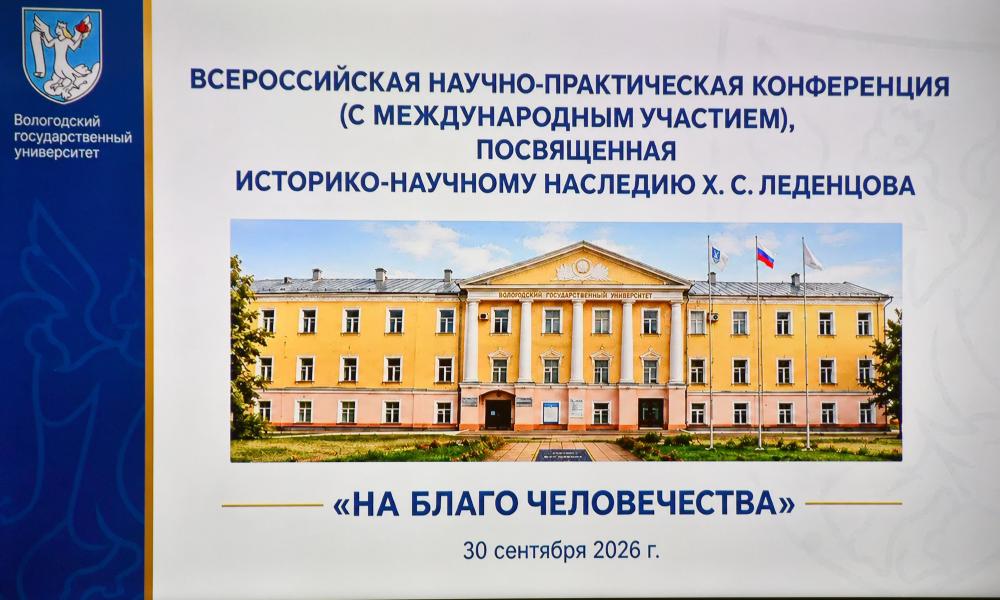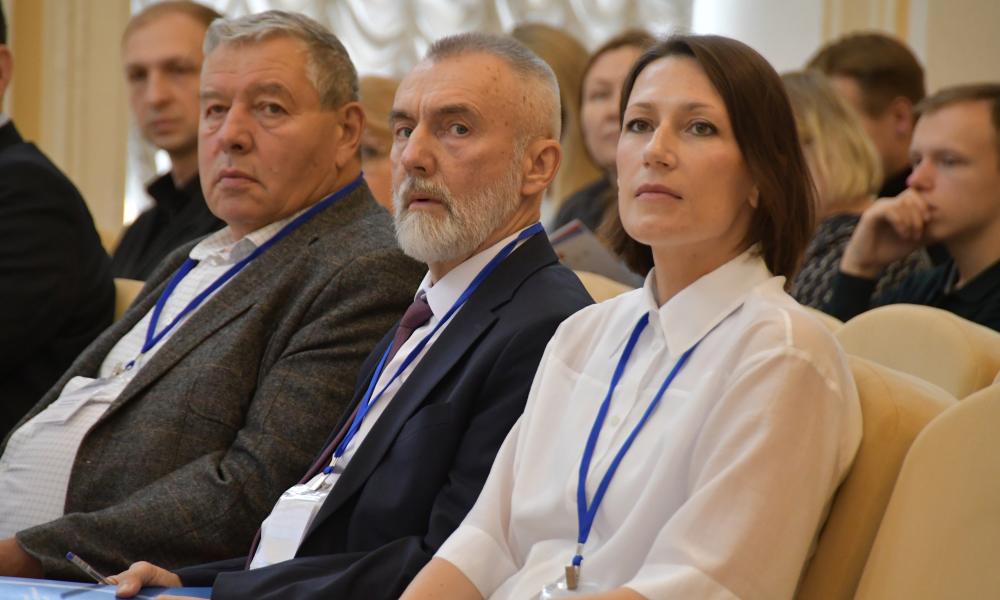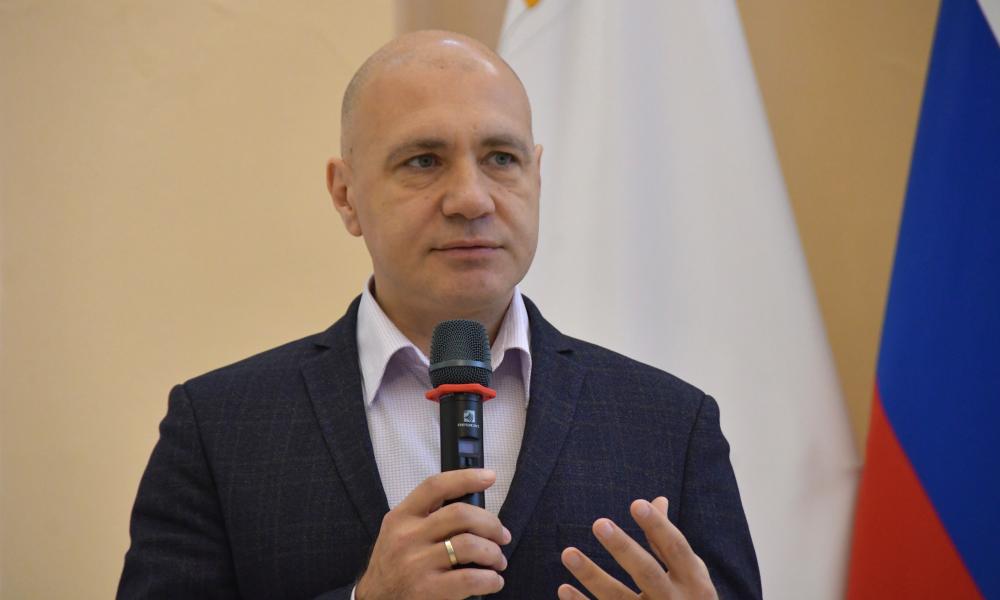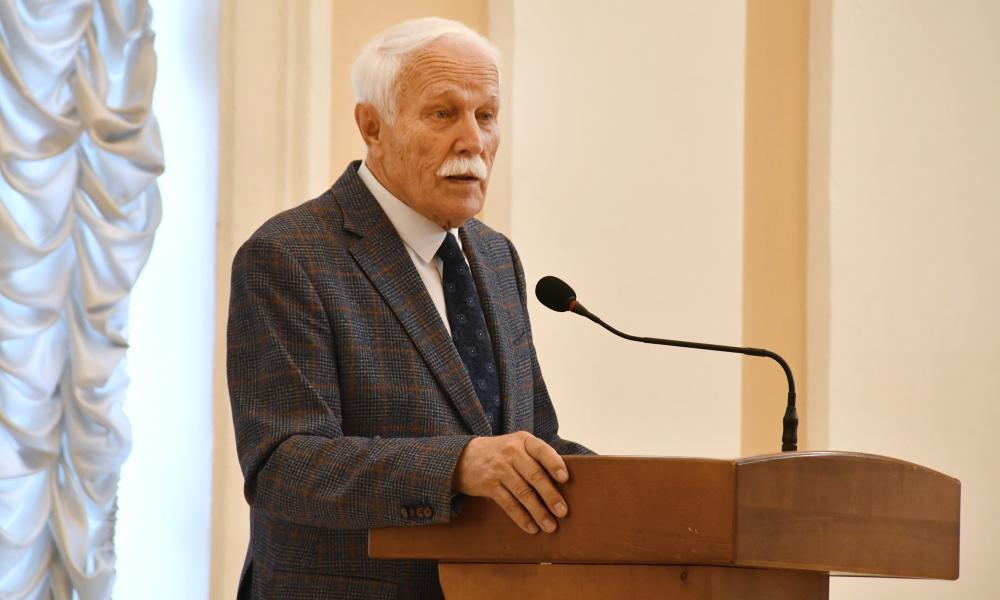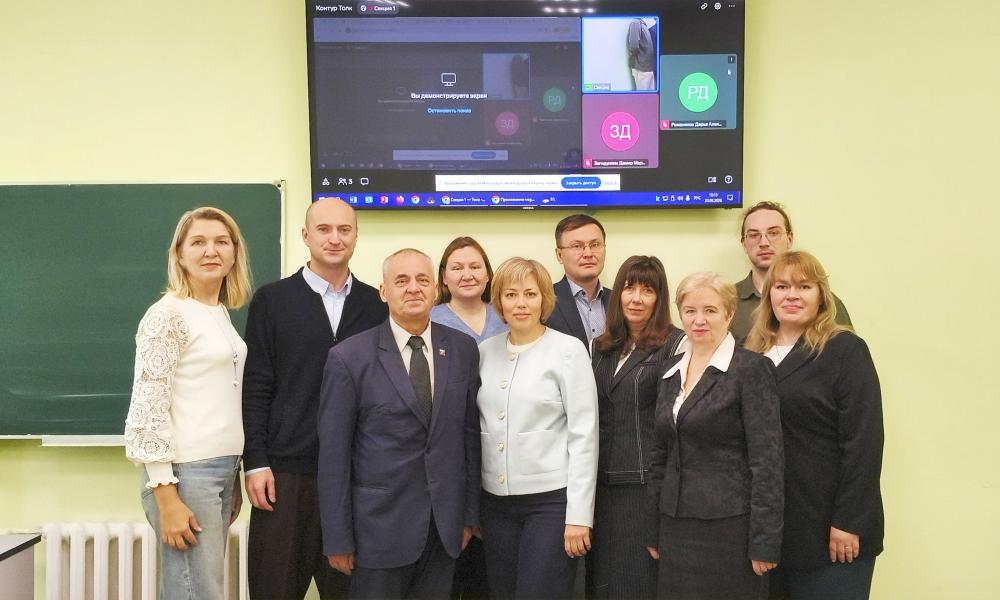
The conference was held in face-to-face and remote formats and combined a plenary session and the work of four thematic sections.
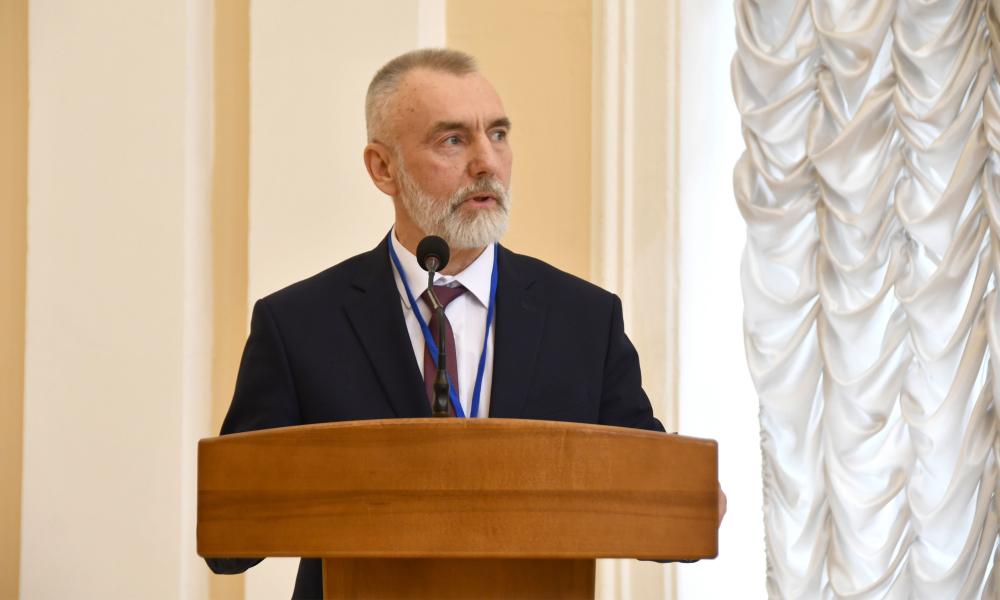
Within the framework of the plenary session, the report "Periphery for people or people for the periphery: is life possible outside of large cities?", prepared within the framework of the Russian Foundation for Basic Research Grant No. 24-78-10168 "Formation of ecosystems for sustainable development of local territories as a response to global and regional challenges of our time", was delivered by A.V. V. VolTS RAS, Doctor of Economics. Popov. The focus was on the disproportions of spatial development and the prospects of local territories remote from resource concentration centers. The scientists considered economic, social, demographic and infrastructural factors affecting the quality of life of the population and forming stable migration flows towards large cities. Special attention is paid to the ecosystem approach to the development of local territories, which involves coordinated interaction between the state, business, social institutions and non-profit organizations.
I.A. Sekushina, Deputy Head of the Scientific and Educational Center, Candidate of Economics, Senior Researcher at the Russian Academy of Sciences, moderated the section "Trends and problems of socio-economic development of territories" and presented the report "Current trends and specifics of housing development in the Vologda Region", prepared in collaboration with A.N. Belkin, a 2nd-year graduate student at the Russian Academy of Sciences. Based on the results of a comprehensive analysis of the development of the housing sector in the Vologda Oblast municipalities for 2010-2024, researchers have identified the presence of territorial disparities in terms of housing provision, the degree of improvement and deterioration of housing stock, as well as the volume and structure of new housing. As a solution to the identified problems, a differentiated management model is proposed, including the resettlement of emergency housing on the periphery and the synchronization of individual construction with the development of engineering networks in cities and suburbs.
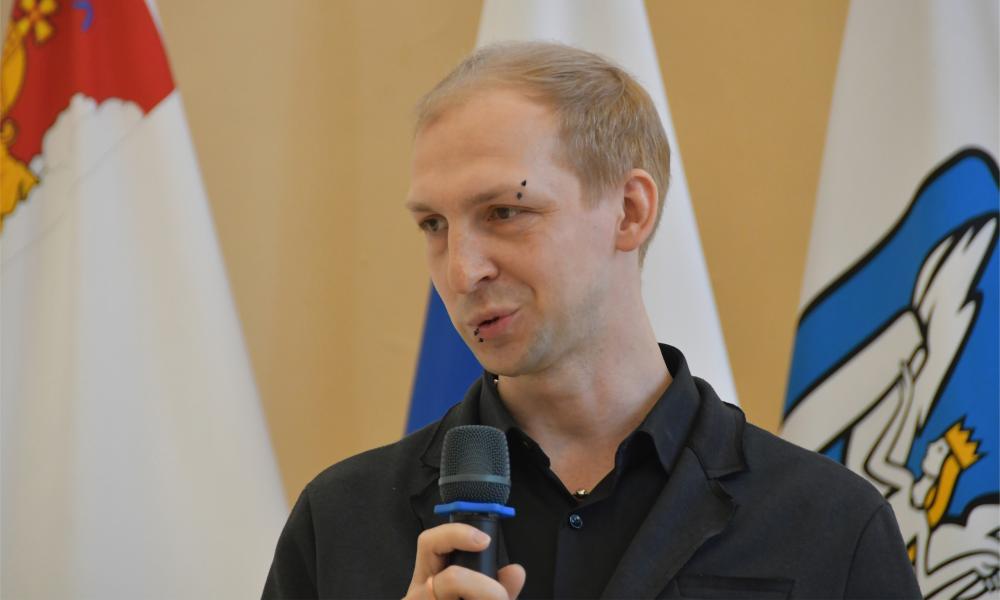
D.S. Goncharuk, M.Sc. of the Center for Financial Research, 1st year postgraduate student of the Russian Academy of Sciences, presented the report "Culture of entrepreneurial responsibility: genesis and factors of formation", prepared within the framework of the Russian Science Foundation grant No. 25-28-02301 "Culture of entrepreneurial responsibility as a factor of regional sustainability". Based on the analysis of domestic and foreign scientific papers, a conceptual distinction has been drawn between business ethics, business social responsibility and corporate social responsibility. The author's definition is proposed, combining values, norms and traditions that determine the willingness of a business to voluntarily accept economic, social and environmental obligations to society. The report presented a model of 12 key factors involved in the formation of a culture of entrepreneurial responsibility.
A.M. Makhonin, a 2nd-year master's student at the National Research Center of the Russian Academy of Sciences, presented a report on the topic "On the issue of the essence and structure of the investment potential of the region." The presentation reviewed approaches to determining the investment potential of the region, analyzed its structure and properties, and emphasized the role of sectoral investment potentials: agricultural, industrial, energy, logistics, and tourism.
Photo source: VSU .